
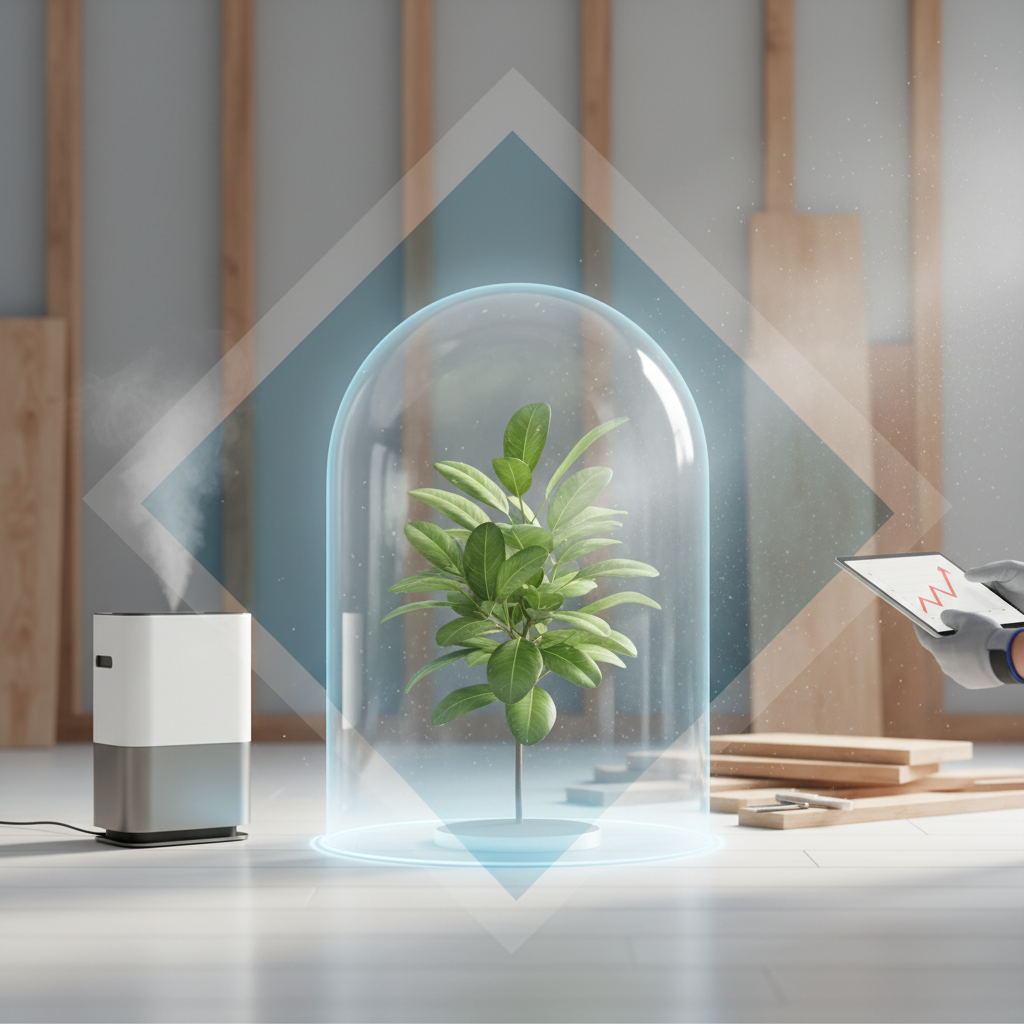
Breathe Easy During Construction: Maintaining Indoor Air Quality Throughout a Major Remodel
Embarking on a major home renovation is an exhilarating journey that promises to transform your living space into the home of your dreams. Whether you are knocking down walls to create an open-concept kitchen or adding a luxurious master suite, the excitement of seeing your vision come to life is incomparable. However, amidst the sawdust and the sound of hammers, there is a hidden challenge that many homeowners overlook: indoor air quality. When you hire a premier home renovation company oakville residents rely on, you expect a beautiful result, but it is equally important to ensure that the air you breathe remains clean and safe throughout the process. Construction debris, fine dust, and chemical vapors can quickly overwhelm your home’s ventilation system, leading to discomfort or health issues if not managed properly.
Maintaining a healthy environment during a remodel requires a proactive approach that combines professional containment, smart ventilation, and personal protection. Most people do not realize that the dust generated during demolition is far more than just a nuisance; it can contain microscopic particles that linger in the air for days or even weeks. By understanding the risks and implementing a solid air quality plan, you can enjoy the transformation of your home without compromising your well-being. This guide will walk you through the essential steps to keep your indoor air fresh and breathable, from the first swing of the sledgehammer to the final coat of paint.
The Invisible Hazards of Home Renovation
When we think of construction mess, we usually picture piles of wood scraps and drywall dust on the floor. However, the most significant threats to your health are often the particles you cannot see. Fine dust from cutting wood, sanding drywall, or breaking up old tile can stay suspended in the air for hours. These tiny particles are small enough to be inhaled deep into the lungs, where they can cause irritation, coughing, and even long-term respiratory problems. For families with children, elderly members, or anyone with asthma, these airborne irritants are particularly concerning.
Beyond simple dust, renovations often introduce Volatile Organic Compounds (VOCs) into your home. These are chemicals found in many building materials, including paints, adhesives, floor finishes, and new carpeting. VOCs “off-gas” into the air, creating that “new house” smell that can actually cause headaches, dizziness, and throat irritation. In older homes, there is also the risk of disturbing legacy materials like lead-based paint or asbestos, which require specialized handling to prevent toxic fibers from becoming airborne. Understanding these hazards is the first step in creating a defense strategy for your home’s air supply.
To combat these invisible guests, it is vital to treat the construction zone as a contained environment. If you are living in the home while the work is being done, you need a clear separation between the “work zone” and the “living zone.” Without proper barriers, the air pressure in your home will naturally move dust and fumes from the area of high activity to the rest of the house. This is why professional contractors place such a high priority on sealing off the workspace before the real work even begins.
Containment Strategies for a Cleaner Home
The most effective way to maintain indoor air quality is to stop the spread of pollutants at the source. Professional contractors use heavy-duty plastic sheeting to create airtight “dust walls” around the renovation area. These barriers should be sealed with specialized tape or tension poles to ensure no dust escapes through the cracks. For high-traffic areas, “zip doors” can be installed, allowing workers to move in and out of the workspace while keeping the seal intact when the door is closed. This simple step can reduce the amount of dust in the rest of your home by over 90%.
In addition to physical barriers, managing your home’s HVAC system is critical. Your furnace and air conditioner are designed to circulate air throughout the entire house, which means they can inadvertently act as a delivery system for construction dust. During a major remodel, it is often best to seal off the return air vents in the work zone. This prevents the system from sucking in dusty air and blowing it into your bedrooms and living areas. If possible, avoid running the central air system during the dustiest phases of construction, such as demolition or drywall sanding.
Another advanced technique used by top-tier builders is the creation of negative air pressure. By placing a high-powered fan in a window within the work zone and blowing air outward, you create a vacuum effect. This ensures that any air leaking through the plastic barriers is pulled into the work zone from the living area, rather than the other way around. This “exhaust-only” approach is one of the most effective ways to keep dust and chemical odors from migrating into the parts of the house where your family sleeps and eats.
Choosing the Right Partner for a Health-First Remodel
The success of your air quality plan depends heavily on the team you choose to lead your project. Not all contractors are created equal when it comes to site cleanliness and safety protocols. When you work with a professional team like Red Stone Contracting, you are choosing a partner that understands the importance of a clean job site. They recognize that a renovation is not just a construction project; it is a temporary disruption to your life and your health. Their commitment to excellence includes rigorous dust management and a deep respect for the integrity of your home’s environment.
A reputable contractor will discuss their air quality plan with you before the first day of work. They should be able to explain how they will manage debris, what type of filtration they use, and how they plan to protect your HVAC system. A company that prioritizes these details is one that cares about the long-term satisfaction of their clients. By hiring experts who are mindful of these factors, you can significantly reduce the stress and physical discomfort often associated with major home improvements.
Furthermore, local experts know the specific challenges of the climate and housing styles in the area. Whether you are dealing with a historic home that requires delicate handling or a modern build with complex ventilation, having an experienced team ensures that the right precautions are taken. A clean workspace is a sign of a professional operation, and it directly translates to a better experience for you and your family throughout the duration of the project.
Active Air Purification: From Whole-House to Wearable Tech
While containment and ventilation are your first lines of defense, active air purification provides an extra layer of security. During a remodel, standard air filters are rarely enough. You should consider using high-efficiency particulate air (HEPA) scrubbers in the work area. These machines are designed to pull in large volumes of air and trap 99.97% of particles, including the finest dust that standard filters miss. Having a portable HEPA air purifier running in your living area can also help capture any stray particles that manage to bypass your barriers.
For individuals who are particularly sensitive to air quality or for those who need to frequently enter the work zone to inspect progress, wearable air purification technology is a game-changer. These personal devices create a “clean air bubble” around the wearer’s face, using advanced filtration to neutralize pollutants before they are inhaled. Unlike bulky masks that can be uncomfortable for long periods, wearable purifiers are lightweight and provide a constant stream of fresh, filtered air. This is especially useful during the “off-gassing” phase of a project when paint fumes and floor finishes are most potent.
Integrating personal air purification into your daily routine during a remodel allows you to stay involved in the project without the “renovation cough” or itchy eyes that many homeowners experience. These devices are the perfect complement to the whole-house strategies implemented by your contractor. By combining industrial-grade site management with personal tech, you create a comprehensive safety net for your respiratory health.
Daily Habits to Protect Your Lungs
Even with the best contractors and technology, your daily habits play a role in maintaining air quality. One of the simplest yet most effective things you can do is practice “source control” cleaning. Instead of using a traditional broom, which kicks dust back into the air, use a vacuum equipped with a HEPA filter. Damp-mopping hard surfaces and wiping down countertops with a microfiber cloth will also trap dust rather than spreading it. It is a good idea to do a quick “dust check” every evening after the crew leaves to ensure the living areas remain pristine.
Ventilation is your best friend when it comes to clearing out VOCs and odors. On days when the weather permits, open windows in both the work zone and the living area to encourage cross-ventilation. This helps flush out chemical vapors from new materials. If you are painting or staining, keep the windows open for several hours after the job is done. Also, remember to change your home’s furnace filters much more frequently than usual—perhaps even once a week during the heaviest construction phases—to prevent the system from becoming clogged and inefficient.
Finally, consider your “entry and exit” protocol. Dust often travels on the clothes and shoes of workers and residents. Setting up a dedicated transition zone where shoes are removed can prevent “track-in” dust from reaching your carpets and rugs. If you have to walk through the construction zone, consider wearing a light coverall or changing your clothes immediately afterward. These small, disciplined actions go a long way in keeping the construction mess where it belongs: behind the plastic sheeting.
Conclusion
A major home remodel is a significant investment in your future happiness and the value of your property. By focusing on indoor air quality, you ensure that the process of reaching that goal is as healthy and comfortable as possible. From the initial planning stages to the final reveal, being mindful of dust, VOCs, and proper ventilation will make a world of difference. Remember that you don’t have to sacrifice your lungs for a beautiful kitchen or a spa-like bathroom; with the right strategies and the right team, you can breathe easy through every stage of the build.
If you are ready to start your next project with a team that values your health and home environment, we highly recommend reaching out to the experts at Red Stone Contracting. Their dedication to quality craftsmanship and professional site management ensures that your renovation experience is top-notch from start to finish. Visit their website or contact them today to discuss how they can bring your vision to life while keeping your home’s air clean and safe.