
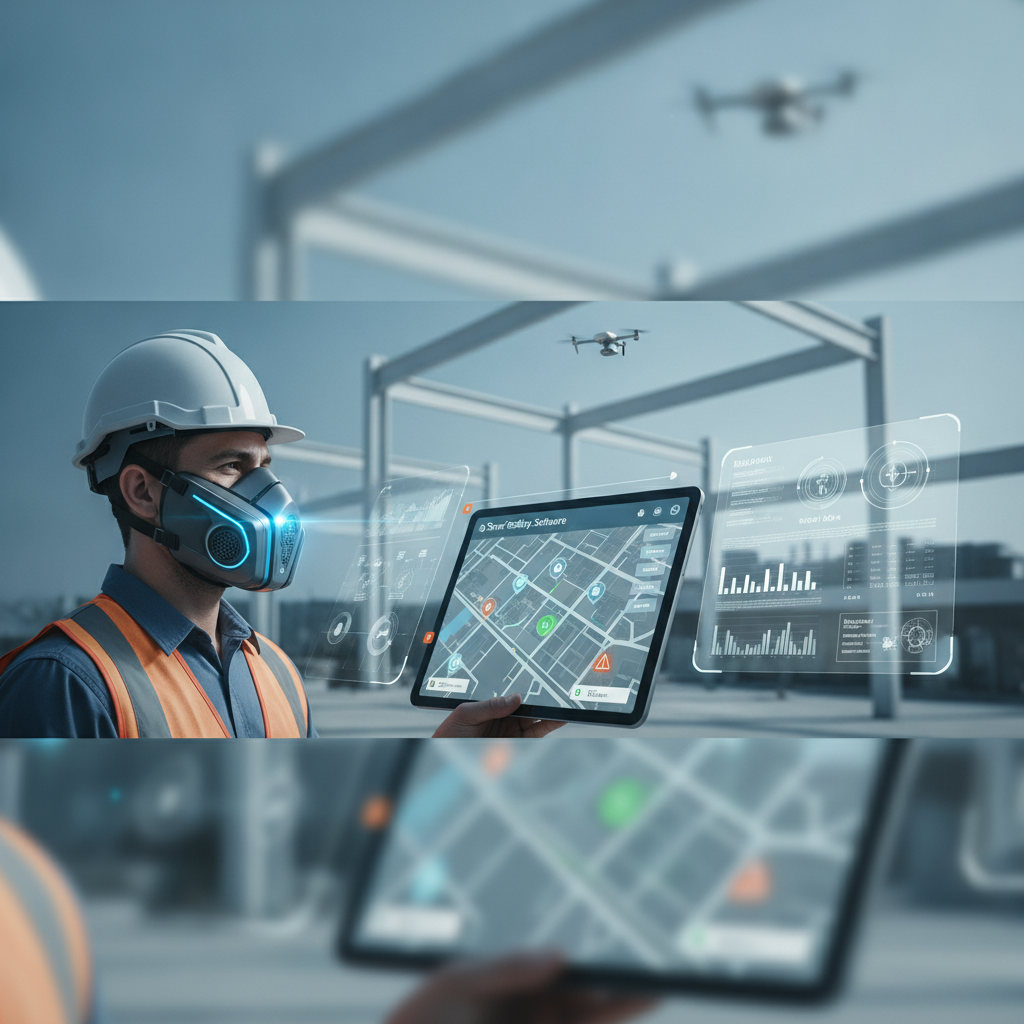
From Wearable Air Purifiers to Smart Software: Modernizing Construction Site Safety
The construction industry has always been demanding, but the way we protect hardworking people on the job site is changing rapidly. Gone are the days when a simple paper mask and a basic hard hat were considered enough to keep crews safe from the daily grind of dust, debris, and dangerous fumes. Today, the focus is shifting toward a highly proactive, technology-driven approach to worker well-being. By combining cutting-edge physical gear like wearable air purifiers with robust digital systems like construction project management software, site managers can now monitor, protect, and optimize their workforce better than ever before. This powerful combination of smart hardware and digital oversight is completely modernizing construction site safety from the ground up.
The Invisible Threat: Why Construction Air Quality Matters
When we think of construction hazards, we often picture falling objects, heavy machinery, or working at extreme heights. However, some of the most dangerous threats on a job site are entirely invisible to the naked eye. Tasks like concrete cutting, drywall sanding, and operating diesel equipment release millions of microscopic particles into the air. Crystalline silica dust, in particular, is a massive hazard that can cause severe long-term respiratory issues if inhaled over time. In addition to dust, volatile organic compounds (VOCs) from paints and solvents create a toxic breathing environment for workers.
For decades, the standard response to these airborne threats was the basic N95 respirator or a simple cloth mask. While these offer some baseline protection, they are far from a perfect solution for rigorous manual labor. Traditional masks often suffer from poor facial seals, meaning dangerous particles can easily slip through the gaps. Furthermore, they trap heat and moisture, making it incredibly uncomfortable to breathe during heavy exertion. This discomfort frequently leads to workers pulling their masks down, completely defeating the purpose of the safety equipment.
Consequently, the industry has recognized an urgent need for a more reliable, comfortable, and effective approach to respiratory health. Relying on outdated methods is no longer acceptable when modern technology offers solutions that actually work with the user rather than against them. This pressing need for better respiratory protection has paved the way for advanced personal air purification technology to enter the construction space.
Enter the Wearable Air Purifier: A Breath of Fresh Air
The wearable air purifier represents a massive leap forward in personal protective equipment (PPE). Unlike passive paper masks that require the user’s lung power to pull air through a dense filter, wearable air purifiers use a motorized fan system. This small, lightweight motor actively draws contaminated air through high-efficiency particulate air (HEPA) filters, purifying it before gently blowing it into the user’s breathing zone. This creates a positive pressure environment around the face, ensuring that toxic dust and fumes are pushed away from the worker’s nose and mouth.
One of the most significant advantages of personal air purification technology is the sheer comfort it provides. Because the device does the heavy lifting of pulling air through the filters, workers do not experience the breathing fatigue associated with traditional respirators. Additionally, the constant flow of filtered air creates a pleasant cooling effect on the face. This airflow completely eliminates the frustrating issue of fogged-up safety glasses, which is a common complaint and a secondary safety hazard caused by standard masks.
Moreover, modern wearable air purifiers are designed with the harsh construction environment in mind. They feature rugged casings, long-lasting rechargeable batteries that can easily survive a full shift, and replaceable filter cartridges that are simple to swap out. By providing a continuous stream of clean, cool air, these advanced devices are transforming how construction workers protect their lungs, allowing them to focus entirely on the task at hand without compromising their health or comfort.
How Smart Software Tracks and Enhances Hardware Safety
While wearable air purifiers are incredible pieces of hardware, their effectiveness relies heavily on proper maintenance and usage. A high-tech purifier is useless if its battery is dead or its filter is completely clogged with silica dust. This is exactly where the modernization of construction safety requires a digital component. To truly protect workers, site managers need a reliable way to track their physical safety assets, schedule routine maintenance, and ensure that every piece of gear is in peak working condition before it hits the job site.
By implementing advanced digital tracking systems, construction companies can easily monitor the lifecycle of their wearable air purifiers. Smart software allows safety officers to log when a specific purifier was issued, who is using it, and exactly when the HEPA filters are due for a replacement. Instead of relying on messy paper logs or guesswork, managers receive automated alerts when a device needs servicing. This digital oversight ensures total compliance with safety regulations and guarantees that workers are never handed faulty or unmaintained equipment.
If you are looking to bridge the gap between physical safety gear and digital asset management, partnering with a trusted local technology provider is the best step forward. For instance, Nektar Inc. specializes in providing innovative solutions that help businesses track and manage their critical equipment seamlessly. By leveraging their expertise, construction firms can build a foolproof safety ecosystem where every wearable air purifier is accounted for, maintained, and ready to protect the crew.
The Financial and Health Benefits of Upgrading
Transitioning from basic safety gear to advanced wearable air purifiers and intelligent tracking software does require an initial financial investment. However, the long-term return on this investment is undeniably impressive. First and foremost, protecting your workers’ respiratory health drastically reduces the number of sick days taken due to asthma, allergies, or more severe occupational lung diseases. A healthy workforce is a productive workforce, and keeping your crew breathing easy directly translates to fewer project delays.
Furthermore, investing in high-quality personal air purification technology can lead to significant savings on insurance premiums and workers’ compensation claims. When a construction company can prove, through detailed software logs, that they are proactively maintaining top-tier respiratory protection for their staff, they significantly lower their liability risk. Avoiding hefty fines from occupational health and safety regulators is another financial benefit that quickly offsets the cost of the initial equipment purchase.
Beyond the direct financial metrics, there is a profound impact on employee morale and retention. Construction workers know when their employers truly care about their well-being. Handing a worker a state-of-the-art wearable air purifier instead of a cheap paper mask sends a clear message that their health is highly valued. In an industry currently facing a severe skilled labor shortage, providing the best possible safety technology is a fantastic way to attract and retain top talent.
Building a Culture of Safety for the Future
Implementing modern safety technology on a bustling construction site requires a thoughtful approach. The goal is not just to hand out new gadgets, but to build a comprehensive culture of safety. The best way to start is by introducing wearable air purifiers to the teams handling the most hazardous tasks, such as the concrete cutting or drywall sanding crews. Once the broader workforce sees the comfort and benefits these devices provide, adoption becomes much easier across the entire site.
Proper training is a crucial element of this cultural shift. Workers need to understand exactly how their new wearable air purifiers function, how to check the battery life, and how to identify when a filter change is necessary. Simultaneously, site managers and safety officers must be thoroughly trained on the software side of things, ensuring they know how to input data, track asset health, and respond to maintenance alerts efficiently.
Looking ahead, the future of construction safety is incredibly exciting. We are rapidly approaching an era where wearable air purifiers will feature built-in Internet of Things (IoT) sensors. These sensors will be able to monitor air quality in real-time and beam that data directly into the site’s management software. If a worker steps into an area with dangerously high VOC levels, the system could automatically alert both the worker and the safety manager. By laying the groundwork with modern purifiers and software today, construction companies are preparing themselves for this highly connected, ultra-safe future.
Embracing the Next Generation of Construction Safety
The modernization of construction site safety is no longer a distant concept; it is happening right now. We have successfully moved past the era of uncomfortable paper masks and disorganized paper maintenance logs. Today, the industry standard is being redefined by the seamless integration of advanced personal air purification technology and intelligent asset management systems. Wearable air purifiers are keeping workers cool, comfortable, and safe from invisible airborne threats, while smart software ensures that this critical gear is always ready for action.
By embracing these modern tools, construction companies can protect their most valuable asset: their people. Upgrading your safety protocols improves health outcomes, boosts daily productivity, and fosters a loyal, motivated workforce. If you are ready to take your job site safety to the next level and want to learn more about tracking and managing your vital safety equipment, be sure to connect with the team at Nektar Inc. to explore their innovative solutions.